Grease Is the Word: The Unlikely Case for Washing Your Hair Less

Photo: Artpavlovdm, CC BY 4.0, via Wikimedia Commons
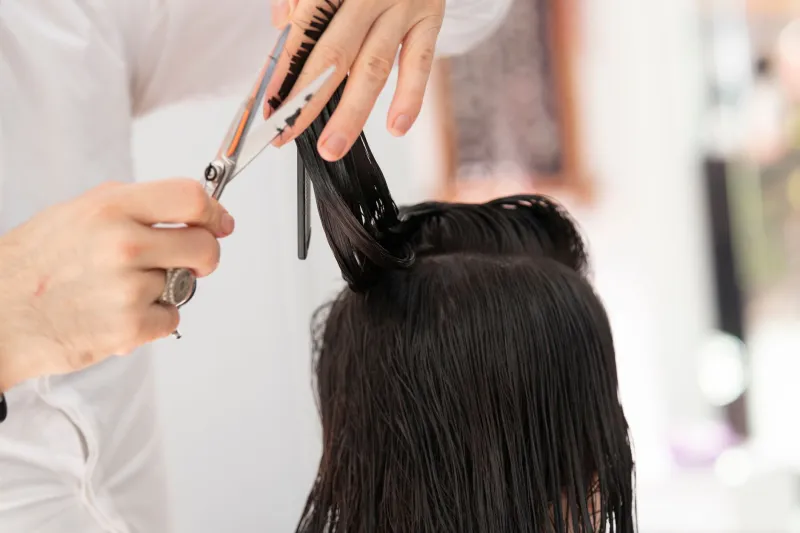
There's a moment every stylist recognizes: the client who apologizes before even sitting down. 'I didn't wash my hair — sorry.'
Here's the thing. More often than not, that unwashed hair is the best-looking hair in the building. It holds a curl. It has movement. It sits exactly where it's supposed to sit. Meanwhile, the freshly blow-dried client is already fighting flyaways before they've left the parking lot.
Welcome to the second-day miracle — a phenomenon your stylist has known about for years and your shampoo bottle has been quietly working against.
The Oil Economy of Your Scalp
Your scalp produces sebum, a natural oil that gets a bad rap. Sebum isn't dirt; it's a built-in conditioner, a lightweight coating that smooths the cuticle and adds subtle shine. On wash day, you strip it. On day two, it's back in the right amount — enough to tame frizz, not enough to look greasy.
That's the sweet spot. Freshly washed hair is squeaky clean, which sounds nice until you realize squeaky means stripped. The cuticle is slightly raised, which is why clean hair can puff up in humidity or refuse to hold a style. By day two, that thin layer of oil has weighed everything down just enough to behave.
Curly and wavy textures benefit the most. Tight curl patterns keep sebum from traveling down the hair shaft, which is why curl specialists often recommend washing even less frequently — sometimes once a week — and letting natural oils do distribution work that a brush can't.
Texture Memory Is Real
Ask any stylist and they'll tell you: hair has memory. The bends you set yesterday, the braid waves from last night, even the way your hair fell when you slept — all of it lingers in the strand's structure. Freshly washed hair has no history. It's a blank canvas, and blank canvases are harder to style than people think.
Day-two hair, by contrast, arrives pre-textured. Slightly grittier, slightly more pliable, it grips bobby pins better, holds an updo longer, and gives a curling iron something to hold onto. It's no coincidence that brides are routinely told to wash their hair the day before the wedding, not the morning of.
The Dry Shampoo Asterisk
Of course, most Americans don't stretch washes with nothing. We stretch them with dry shampoo — and that's where things get complicated.
Dry shampoo doesn't actually clean anything. It's a powder (usually starch or rice-based) that absorbs oil so you can't see it. Used occasionally, it's a genuinely useful tool. Used for four days straight, it becomes buildup: a layer of powder sitting on the scalp, mixing with sebum and dead skin, potentially clogging follicles and irritating the skin underneath.
Stylists have a rule of thumb worth stealing: dry shampoo is a one-day bridge, not a multi-day lifestyle. If you need it, apply it at the roots in short bursts, give it a minute to absorb, then massage and brush out the excess. And plan a proper wash within a day or two.
How to Stretch Without Sacrificing Polish
Want to buy yourself an extra day or two between washes without the greasy-hair gamble? Stylists suggest a few moves:
- Rinse, don't wash. A cool water rinse removes surface grime without stripping sebum entirely.
- Wash the front, skip the rest. Your bangs and face-framing pieces absorb the most oil. Spot-cleaning just those sections buys a full day.
- Change your part. Flipping your part to the opposite side instantly revives flat, day-old roots.
- Re-style with heat, strategically. A quick pass of a round brush at the crown resets the look without a full wash-and-blowout.
- Sleep on silk. A silk pillowcase or loose topknot reduces friction, so day-two hair looks intentional rather than slept-in.
When Skipping Backfires
Honesty time: the skip-wash trick isn't for everyone. If you have a scalp condition like seborrheic dermatitis, dandruff, or psoriasis, stretching washes can make things meaningfully worse — buildup and yeast feed on sebum, and infrequent washing aggravates flaking. Heavy exercisers, especially in humid Southern summers, may find oil and sweat combine into a scalp situation no amount of dry shampoo can rescue.
And fine, straight hair types often simply don't get a second-day window. When sebum travels down a fine strand quickly, day two can arrive looking like day five. If that's you, there's no virtue in suffering through it. Wash when you need to.
The Takeaway
The second-day miracle isn't an excuse to neglect your hair — it's an invitation to understand it. Your hair isn't at its best when it's at its cleanest. It's at its best when it's balanced, textured, and left a little bit alone.
So the next time you apologize to your stylist for not washing, expect a shrug. They've been counting on that.