Seven Tools, Seven Stories: The Secret History of What's Behind Your Head
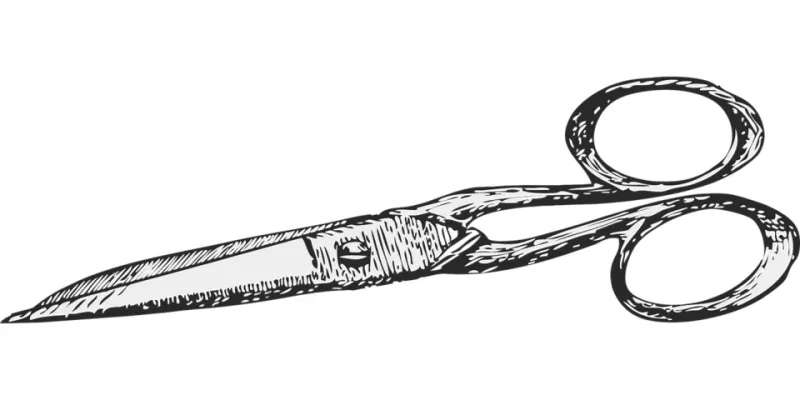
Photo: b0red, CC0, via Wikimedia Commons
Every haircut you've ever loved was made possible by a small pile of metal and plastic on a rolling cart. We rarely think about these tools — they're the supporting cast of the salon. But each one carries a history, and each one changed what people could do with their heads. Here are seven favorites, and the stories hiding in their handles.
1. The Shears: Steel of the Samurai
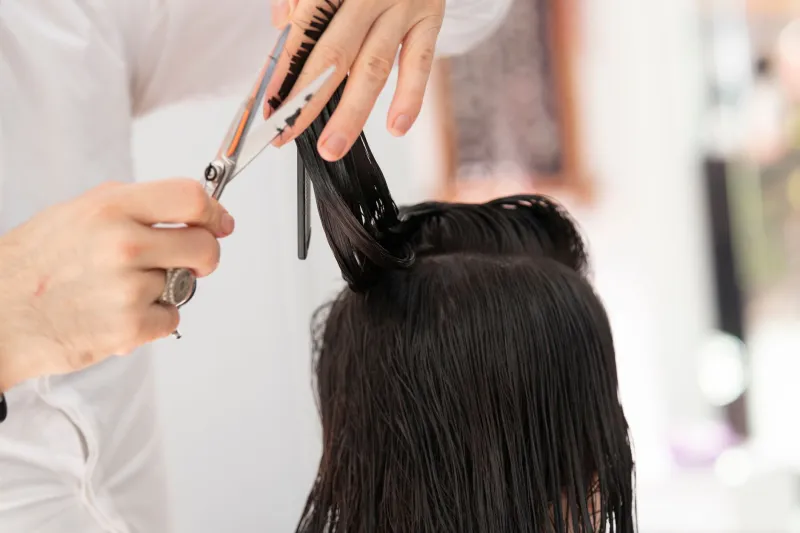
Professional hair-cutting shears owe a debt to Japanese swordsmiths. Regions of Japan famous for samurai blades — like Seki in Gifu Prefecture — eventually turned their legendary steelworking toward gentler purposes: scissors of extraordinary precision. Convex-edged Japanese shears, sharpened to a razor's glide, made the soft, slide-cut textures of modern American styles possible. Every feathered layer and effortless bob owes something to a sword-making tradition.
2. The Rat-Tail Comb: Architect of the Updo
That skinny metal tail isn't a weapon, no matter what your little brother thought. The rat-tail comb's pointed end gave stylists something they'd never had: precision parting. It's the unsung hero behind the French twist, the sleek 1960s bouffant, and every razor-straight side part since. Without it, the architecture of mid-century American hair simply doesn't stand up.
3. Sectioning Clips: The Four-Quadrant Revolution
Unglamorous? Completely. Essential? Ask any stylist. Sectioning clips made systematic cutting possible — dividing the head into manageable quadrants so no section gets cut twice or missed entirely. The disciplined clip work you see at every station is the difference between a cut that grows out gracefully and one that falls apart in three weeks.
4. The Round Brush: Inventor of the Blowout
Pair a round brush with a handheld dryer and you get the single most American hair ritual there is: the blowout. The round brush turned the salon from a place you visited weekly into a place you visited when you needed armor — the 1990s megavolume, the "just left the salon" swing that defined decades of television news anchors and romantic comedy heroines alike.
5. Thinning Shears: The Subtlety Machine
Also called texturizing shears, these toothed blades remove bulk without removing length — a trick that revolutionized thick hair. Before them, heavy hair had two options: wear the weight or cut it all off. Thinning shears made softness possible at any length, and made the shag, the layered lob, and half of modern men's cutting possible in the process.
6. The Spray Bottle: Humble Keeper of Control
It's a plastic bottle. It's also the reason precision cutting works at all. Consistent moisture means consistent tension means consistent results — the entire geometry of a haircut depends on it. The spray bottle is the metronome of the salon: unglamorous, constant, and quietly holding everything together.
7. The Barber's Straight Razor: The Sharpest Line in the Room
From the barbershop tradition comes the straight razor — now the finisher of choice for the sharpest necklines and hairlines in modern cutting. Its resurgence in the era of the skin fade and the razor-sharp bob proves the oldest tool on the cart is also the most current. Precision never goes out of style; it just gets sharper.
Look Behind Your Head
Next appointment, take a second to actually look at the cart beside you. Every tool there is the result of centuries of problem-solving — sword steel repurposed, parting perfected, weight removed one tooth at a time. Your stylist isn't just wielding hardware. They're carrying a history, and every cut is the next chapter.