Is Your Hair Actually Changing With the Seasons? (It Is — Here's What to Do About It)
Something shifts when summer rolls into fall. Your skin feels different, your wardrobe changes, and — if you're paying close attention — your hair starts acting up in ways it didn't a few months ago. That's not a coincidence, and it's not random. Your hair is responding to real, measurable changes in its environment, and if you're not adjusting your cut and care routine accordingly, you're basically fighting your own biology.
This isn't about chasing seasonal trends for the sake of it. It's about understanding what your hair is actually doing in different conditions and making smart decisions with your stylist so you're always working with your hair instead of against it.
What Humidity Actually Does to Your Strands
Let's start with the science, because it's genuinely fascinating. Hair is hygroscopic — meaning it absorbs and releases moisture from the surrounding air. When humidity levels are high (hello, August in Houston or Miami), your hair absorbs that excess moisture, which causes the hydrogen bonds within the hair shaft to shift. The result? Swelling, expansion, and for anyone with any natural wave or curl in their hair, frizz.
Straighter hair types aren't immune either. High humidity can make fine, straight hair go limp and lose volume, while adding unpredictable wave to hair that's usually pretty cooperative. The cut that looked perfect in March can feel completely unmanageable by mid-July — not because your hair changed dramatically, but because the environment it's living in did.
Winter swings in the opposite direction. Cold air holds less moisture, indoor heating strips even more from the air, and your hair dries out. Dry hair is more prone to static, breakage, and that dull, brittle feeling that makes everything harder to style.
Summer Cutting Strategies
For summer, the goal is usually to cut in a way that reduces bulk and works with your hair's natural tendency to expand. This doesn't necessarily mean going shorter — it means being smarter about where weight lives in the cut.
For wavy and curly hair types, removing some interior bulk through techniques like point cutting or texturizing can dramatically reduce frizz-inducing puffiness without sacrificing length. The idea is to let the curl pattern define the shape rather than fighting against volume that's going to keep coming back anyway.
For straight hair, a cut that builds in some internal structure — layers that encourage movement rather than laying flat — can help combat the limp, deflated look that humidity sometimes causes. Blunt cuts that rely on weight to hold their shape can struggle in humid conditions; adding some thoughtful layering gives the style a fighting chance.
It's also worth having a real conversation with your stylist about your summer lifestyle. If you're swimming regularly, your hair is dealing with chlorine or salt water on top of the humidity. Those factors affect how the hair behaves and how quickly a cut grows out, and a good stylist will factor that into their approach.
What Winter Asks of Your Hair
Cold-weather cutting strategy shifts the focus toward moisture retention and minimizing damage. When hair is dry and brittle, it's more vulnerable to breakage — and certain cuts can either protect against that or make it worse.
Blunt ends and heavier, more solid cuts tend to hold up better in winter because they don't have the fine, wispy ends that dry out and split quickly in cold conditions. If you love heavily layered cuts in the summer, you might consider asking your stylist to soften those layers slightly as you head into fall — just enough to give the ends a bit more substance and resilience.
Winter is also a great time to let your hair grow out a bit if that's something you're interested in. The cooler temperatures mean less sweat and oil production, which makes managing longer hair more comfortable. Your stylist can help you plan a grow-out strategy that keeps the cut looking intentional at every stage rather than just shapeless.
The Seasonal Check-In Approach
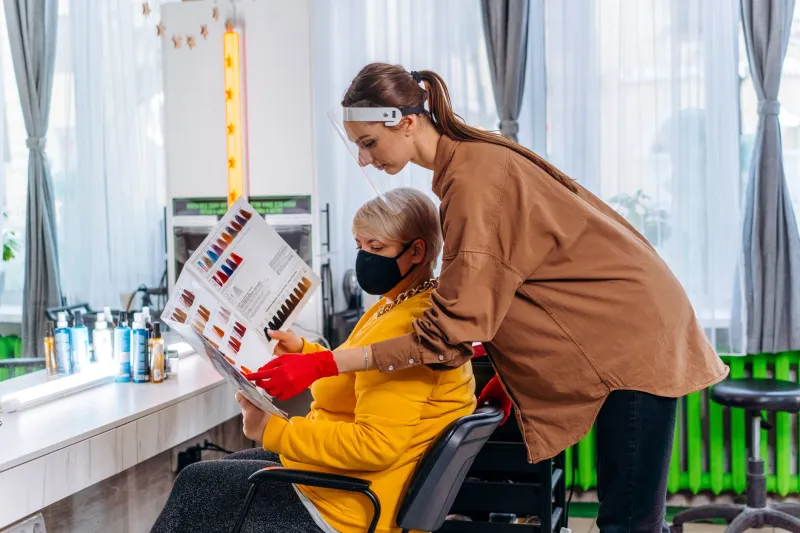
One of the smartest things you can do for your hair is to start thinking about your salon appointments as seasonal check-ins rather than just maintenance visits. Before your stylist picks up the shears, spend a few minutes talking about what the next few months are going to look like — not just aesthetically, but practically.
Are you heading into a humid summer with a lot of outdoor time? Or gearing up for a dry winter full of indoor heating and wool hats? Are you changing your workout routine, traveling somewhere with a very different climate, or going through any changes that might affect your hair's health?
All of that context helps your stylist make better decisions about length, layering, and technique. The best salon relationships are built on exactly this kind of ongoing conversation — where the cut isn't just about what looks good today, but about what's going to keep working for the next eight to twelve weeks of your actual life.
Texture Changes Are Real — Treat Them That Way
One more thing worth addressing: it's completely normal for your hair's texture to shift slightly between seasons. Hormonal fluctuations, changes in diet and hydration, and the cumulative effects of weather exposure can all make your hair behave a little differently than it did six months ago.
If your stylist is cutting your hair the same exact way every single visit regardless of what's changed, that's worth a conversation. A great stylist pays attention to what your hair is actually doing on the day you're in the chair — not just what they remember from your last appointment. That kind of attentiveness is what separates a good haircut from a great one.