More Than a Makeover: The Real Reason a Fresh Cut Changes Everything About How You Feel
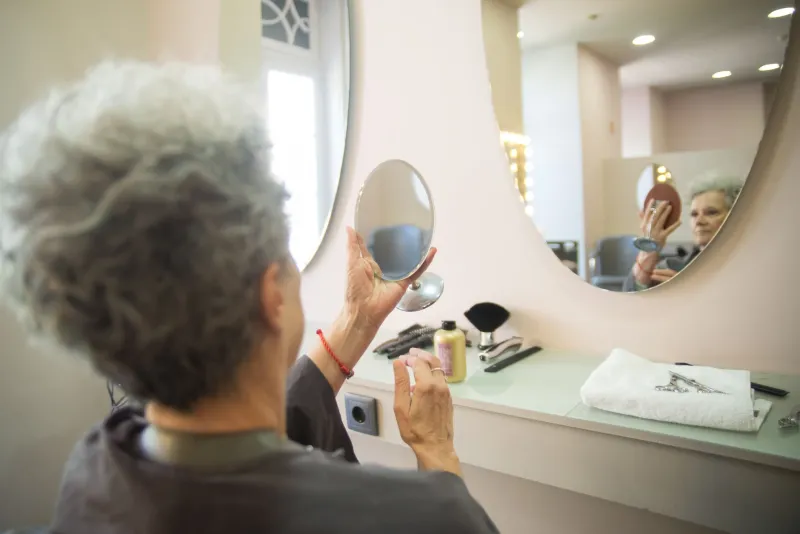
You've probably felt it before. You sit down in the chair feeling a little worn out, maybe a little uninspired. Forty-five minutes later, you're angling your face in the mirror, catching your reflection from every possible direction, and something just feels different. Not just on the outside — somewhere deeper than that.
That feeling has a name, and it's not vanity. It's psychology.
The Chair Is Basically a Therapist's Couch (Kind Of)
Ask any stylist who's been behind the chair for more than a few years and they'll tell you: the salon is a surprisingly emotional space. People come in carrying a lot more than split ends.
"I've had clients sit down and within two minutes, they're telling me about a divorce, a job loss, a new chapter they're stepping into," says a senior colorist and cut specialist based in Chicago who's been styling for over a decade. "The haircut becomes this ritual marker. Like, 'I'm not that person anymore. Help me look like who I'm becoming.'"
That instinct is deeply human. Anthropologists have long noted that hair holds symbolic weight across cultures — from mourning rituals to rites of passage. In contemporary American culture, cutting your hair after a breakup or a major life shift isn't a cliché; it's an ancient impulse dressed in modern clothing.
Dr. Vivian Torres, a clinical psychologist who works with clients on body image and self-concept in New York City, explains it this way: "Our appearance is one of the primary tools we use to communicate identity — both to ourselves and to the world. When we make a deliberate change to how we look, it can serve as a powerful psychological reset. It signals intention. It says, 'I am taking agency over how I'm perceived.'"
 Photo: New York City, via wallpapercave.com
The Science Behind the Post-Salon Glow
Here's where it gets genuinely interesting. Research in the field of enclothed cognition — the idea that what we wear (and, by extension, how we present ourselves) actually influences our cognitive performance and mood — has real implications for hair, too.
When you feel like you look good, your posture changes. Your eye contact becomes more direct. You're more likely to introduce yourself first at a party, speak up in a meeting, or slide into a conversation with a stranger. These aren't just anecdotal observations — they're behavioral shifts with measurable downstream effects on social outcomes.
In other words, a great haircut doesn't just change how others see you. It changes how you move through the world.
"I always say that confidence is the best styling product we carry," jokes Marcus Webb, a creative director at a boutique studio in Austin, Texas. "And I've watched it happen in real time. Someone comes in hunched over their phone, barely making eye contact. They leave with their shoulders back. That's not just about aesthetics. That's identity work."
Choosing a Cut That Actually Aligns With You
So how do you make sure your next appointment delivers that shift, rather than leaving you feeling like the cut just... missed?
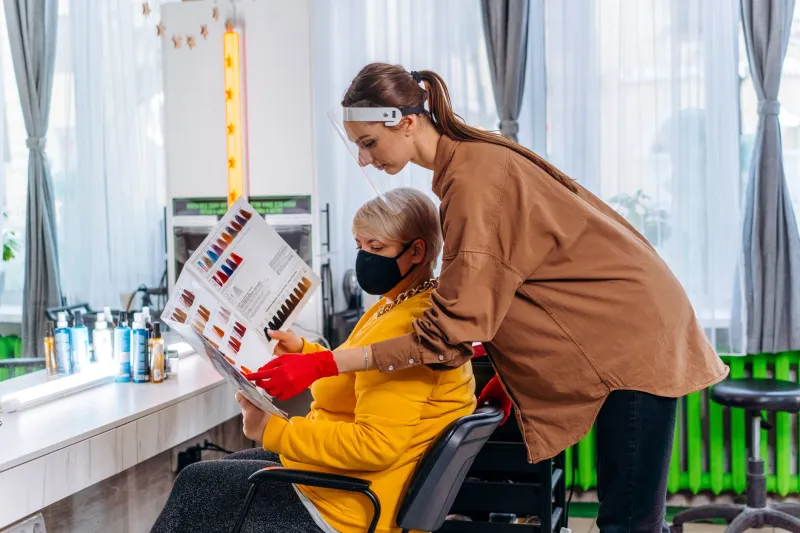
Styleists at the top of their craft will tell you it starts with a real conversation — not just about hair texture and face shape, but about lifestyle, personality, and even how much morning effort you're realistically willing to invest.
"I ask clients three questions before I pick up my shears," says Webb. "Where do you spend most of your time? How do you want to feel when you walk into a room? And what's the one thing you've always wanted to try but talked yourself out of?"
That last question, he says, is often the most revealing. The answers tend to expose the gap between who someone is and who they're quietly hoping to become. And closing that gap — even just a little — is where the real magic of a transformative cut lives.
Dr. Torres echoes this from the clinical side. "I often encourage clients who are working through transitions to think about small, visible changes as part of their process. It's not superficial. It's about aligning your outer presentation with your evolving inner sense of self. That alignment is genuinely therapeutic."
When the Cut Doesn't Land — And What That Tells You
It's worth acknowledging the flip side, too. Not every salon visit leaves you floating. Sometimes you sit in the chair with a vague idea of what you want, fail to communicate it clearly, and walk out feeling more disconnected than before.
Stylist and educator Priya Nair, who trains new talent at a creative studio in Los Angeles, says this is one of the most common — and fixable — problems in the industry. "So much of a great result comes down to the consultation. Clients come in with a photo of someone who has completely different hair texture, different face structure, different lifestyle. And they feel let down when it doesn't translate. That's a communication gap, not a styling failure."
Her advice? Come in with multiple reference images, including ones that show what you don't want. Be honest about your daily routine. And find a stylist whose aesthetic sensibility genuinely speaks to you — because the relationship between a client and their stylist is, in its own way, one of the most intimate professional relationships out there.
The Artistry of Seeing Someone Clearly
At its best, what a great stylist does is see you — really see you — and then use their craft to help you see yourself a little more clearly, too. It's equal parts technical skill and human intuition.
That's the philosophy baked into everything we celebrate here at Artful Shear. Where scissors meet artistry isn't just a tagline. It's a recognition that the best work happening in salons across the country isn't just about hair. It's about helping people feel like the fullest, most intentional version of themselves.
And sometimes, all it takes is the right cut at the right moment to remind you exactly who that person is.