Six Figures of Student Loans and a Pair of Shears: Beauty School's Broken Math

Photo: CAMiller62, CC BY-SA 3.0, via Wikimedia Commons
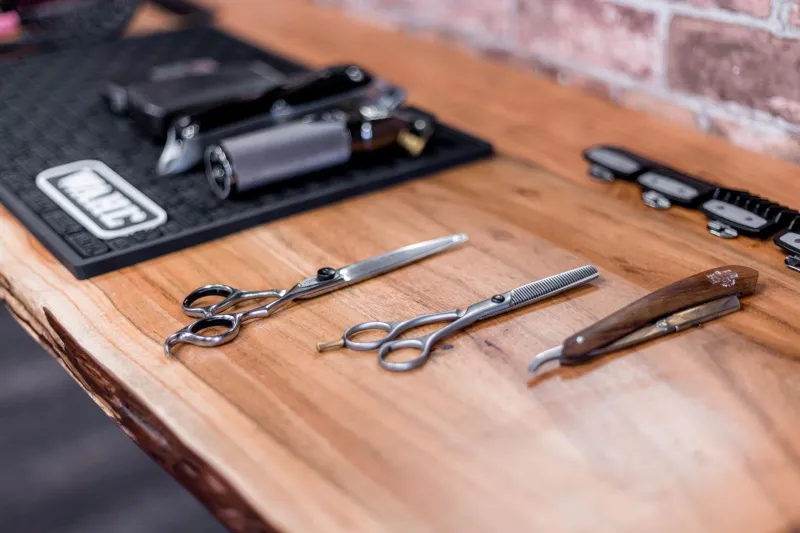
The first thing to understand about becoming a hairdresser in America is that the shears are the cheap part.
A professional-grade pair of Japanese steel shears runs $300 to $600 — a real expense, but a rounding error next to the actual price of admission: cosmetology school, licensing, and the long, underpaid runway between graduation and a chair that pays.
Add it all up and the math gets uncomfortable. Not for the clients paying $150 for a great cut. For the stylists.
The Tuition Problem Nobody Talks About
Cosmetology programs in the US range wildly: community college programs might run $5,000 to $10,000, while private beauty academies — many of them chain operations with aggressive recruiting — can easily top $20,000, before kits, books, and fees. Unlike traditional college, federal grant aid is limited, and many students piece together loans, sometimes at private-lender rates.
Here's where it gets strange: most states require roughly 1,500 clock hours of training to sit for the cosmetology exam. Some, like Oregon, have modernized toward fewer hours and competency-based testing. Others still demand more time in a classroom learning material — sanitation law, chemistry theory — that working stylists say barely resembles the job.
Compare that to, say, Texas, where the requirement is 1,000 hours, or to apprentice-style pathways in a handful of states where you can train under a licensed stylist and skip the classroom bill entirely. Where you happen to live can swing your path to licensure by a year and $15,000. Sound familiar? It's the same zip-code lottery that shapes everything else in American life.
The Year of Sweeping Floors, Paid Badly
Then comes the part the brochure doesn't mention. New stylists typically don't rent a chair or take clients immediately. They assist — mixing color, shampooing, sweeping, shadowing a senior stylist — often for $12 to $15 an hour, sometimes less, for six months to two years.
'I finished school with loans, bought my tools, and then made less than my friends waiting tables,' one second-year stylist in Chicago told us. 'The gap between graduating and actually earning was the part nobody warned me about.'
The earning curve is real, though. Commission splits typically start around 50/50 and climb with clientele — 60/40, then higher, or a switch to booth rent, where a stylist keeps their service revenue but pays $150 to $400-plus a week for their chair, plus their own supplies, insurance, and taxes. A booked-out booth-renter in a strong market can clear six figures. A stylist in a slow salon can spend years stuck at the bottom of the split.
The profession is, in effect, a small business with a long apprenticeship attached — but almost nobody teaches the business part.
Is the Pipeline Sustainable?
Ask veterans and you'll hear the same concern on repeat: the industry is eating its young. High upfront costs, a long unpaid runway, and zero financial literacy training mean many talented people wash out before their clientele matures — usually right around year three, when the loans come due in earnest.
The people who lose out aren't just the individuals. It's the profession's future. Fewer working-class students can absorb a $20,000 tuition for a career that starts at near-minimum wage, which tilts the pipeline toward those with family support — and narrows whose hands hold the shears in American salons.
Some fixes are already being tested. Reduced hour requirements in reform-minded states. Paid assistantships, which a growing number of high-end salons now offer to compete for talent. Structured mentorship programs where the salon invests in a new stylist's book in exchange for a commitment. And a quiet push to teach booth-rent economics, tax basics, and pricing strategy inside cosmetology curricula rather than leaving stylists to learn it from a tax preparer in April, three years too late.
What Would-Be Stylists Should Know
For anyone eyeing the profession in 2025, the veterans we spoke with offered a consistent playbook:
- Compare programs on outcomes, not brochures. Ask each school's completion and state-board pass rates, and where graduates actually work.
- Investigate apprenticeship routes. In states that allow them, learning under a working stylist can slash both cost and classroom time.
- Budget for the gap. Assume one to two years of low earnings after graduation and plan finances accordingly.
- Learn the business before you need it. Commission splits, booth rent, product costs, self-employment tax — the stylists who last are the ones who treat the chair like the small business it is.
The artistry is real. So is the debt. The stylists who build lasting careers are the ones who respect both — and the industry that wants to keep them will have to fix the math before the next generation of talent decides it doesn't add up.