A Year of Sweeping Floors: The Vanishing Rite of Passage Behind America's Best Hairdressers
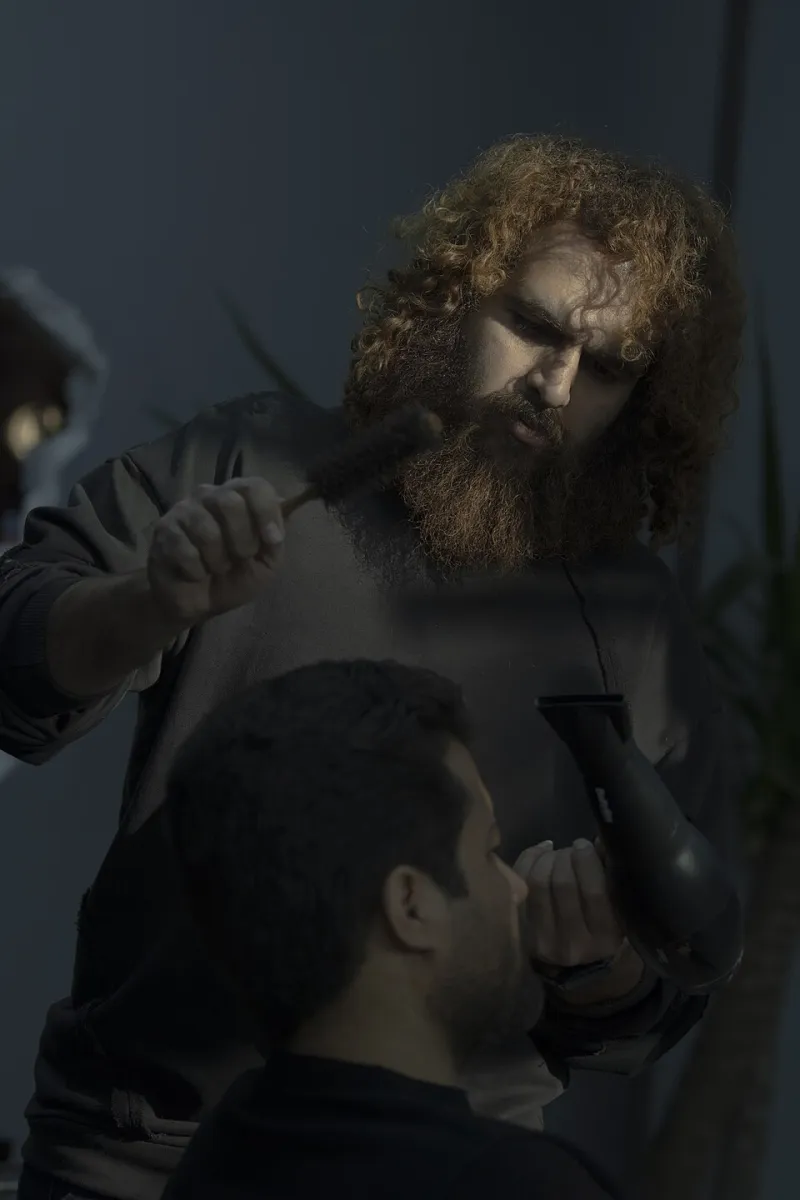
Photo: Mostafameraji, CC0, via Wikimedia Commons
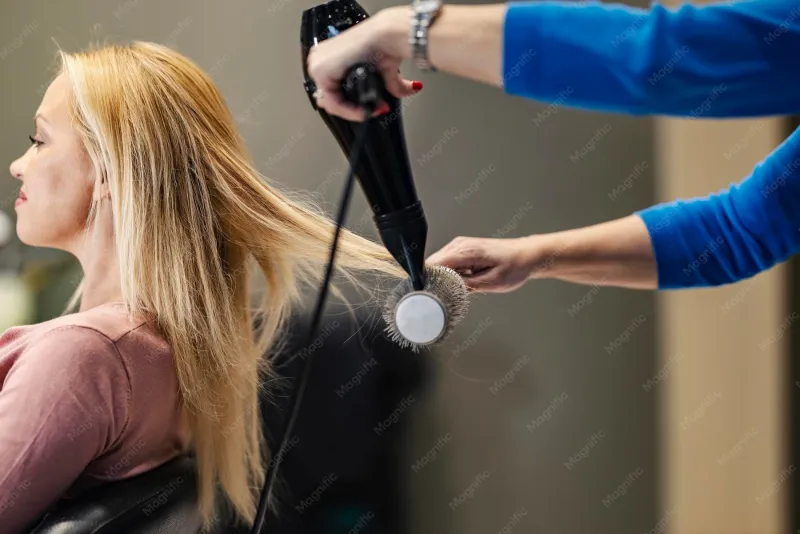
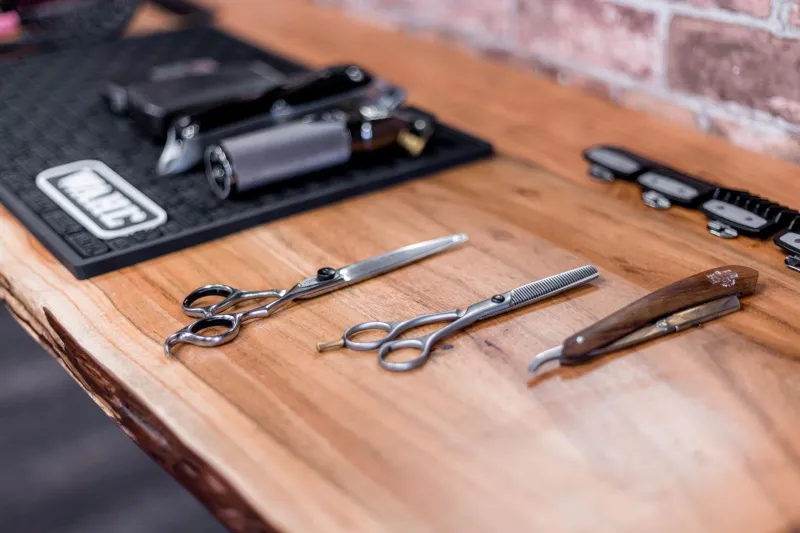
Walk into one of the handful of American salons that still runs a true apprenticeship program and you'll spot them immediately: the young ones in black, moving fast, coffee in hand, quietly restocking the color bar between sweeping up a day's worth of clippings. They aren't stylists yet. They're assistants — and depending on who you ask, they're either participating in an outdated hazing ritual or the last surviving form of real craft education in the beauty industry.
Both takes have truth in them. But spend time inside the system, as we did, and a third picture emerges — one that says a lot about where artistic hairdressing is headed.
The Broom Comes First
Maya Delgado's first day as an assistant at a boutique studio in Portland started, as tradition demands, with a broom. Not a clipper. Not a pair of shears. A broom.
"I have a cosmetology license," she laughs now, fourteen months later. "Fifteen hundred hours of school. And my first job was learning to sweep without making the stylist stop mid-cut. There's a rhythm to it. You learn the floor before you learn the head."
That sounds like a joke until you understand what's actually being transmitted. During that first year, Delgado mixed every color formula that crossed the salon, which meant she learned chemistry by repetition. She shampooed dozens of heads a week, which meant she learned how different textures actually behave under her hands — not in a textbook diagram, but in real, slippery, uncooperative life. And she stood in the corner of the room watching master cutters work, eight hours a day, five days a week.
No beauty school can replicate that. Schools teach you to pass a state board. Apprenticeships teach you to see.
Why the System Nearly Died
The traditional apprenticeship model — borrowed, like so much of American salon culture, from European houses in London and Paris — has been quietly disappearing for decades. The economics are brutal: a salon owner pays an assistant for a year of labor that generates almost no revenue. Chain salons, built on volume, found they could hire licensed graduates straight off the street and put them to work immediately.
The result is a generation of stylists who learned the fundamentals but rarely got the deep, supervised seasoning that turns a technician into an artist. The industry's dirty secret is that most new stylists burn out or leave within five years, often because they were never truly prepared for the creative demands of the chair.
The Payoff: Fearless Hands
Here's the part that matters for anyone sitting in a styling chair: salons that still invest in this training produce cutters who improvise.
The logic is simple. A stylist who has spent a year watching hundreds of heads — every cowlick, every growth pattern, every correction of a previous bad cut — has a mental library that no online tutorial can match. When a client sits down with an unusual texture or an asymmetric face, the apprenticed stylist doesn't panic. They've seen it before. They've seen the master solve it.
"By the time I touched my first paying client, I'd watched maybe four thousand haircuts," Delgado says. "I wasn't guessing. I already knew what the hair was going to do."
That confidence is what clients experience as artistry. The cut that looks effortless, the color that seems inevitable — those usually come from hands that were trained slowly, deliberately, and under the eye of someone better.
What to Ask Your Salon
You don't need to interrogate your stylist's résumé. But a few questions reveal a lot:
- Did you assist? A stylist who spent time assisting usually lights up when asked. They'll tell you about the mentor who shaped them.
- Does this salon train from within? Salons with assistant programs tend to have stronger internal standards, because someone is always watching the work.
- Who taught you to cut? Vague answers are fine from a barber, but an artist-stylist can usually name the person and the moment it clicked.
An Old Model for a New Era
There's a quiet irony in the apprenticeship's comeback: it's thriving precisely in the boutique, art-driven studios — the kind where hair is treated as a creative medium rather than a commodity. The salons that treat cutting as craft are the ones willing to eat the cost of training slowly.
Maya Delgado picked up shears for her first real client this spring. Before the appointment, her mentor stood behind her and said nothing for the entire hour. That silence, Delgado says, was the hardest and best feedback she's ever received.
The floor is behind her now. The craft is ahead.